
Supporting kids, teens, and adults to navigate trauma, OCD, anxiety, and life’s transitions. I use evidence-based therapies, including Eye Movement Desensitization and Reprocessing (EMDR), Exposure and Response Prevention (ERP), Acceptance and Commitment Therapy (ACT), and Dialectical Behavior Therapy (DBT) to help clients process difficult experiences, manage anxiety and OCD, build resilience, and create meaningful change. Available virtually on Tuesdays, Wednesdays, and Thursdays.
Our Online Team
Emily Jones, LPCC
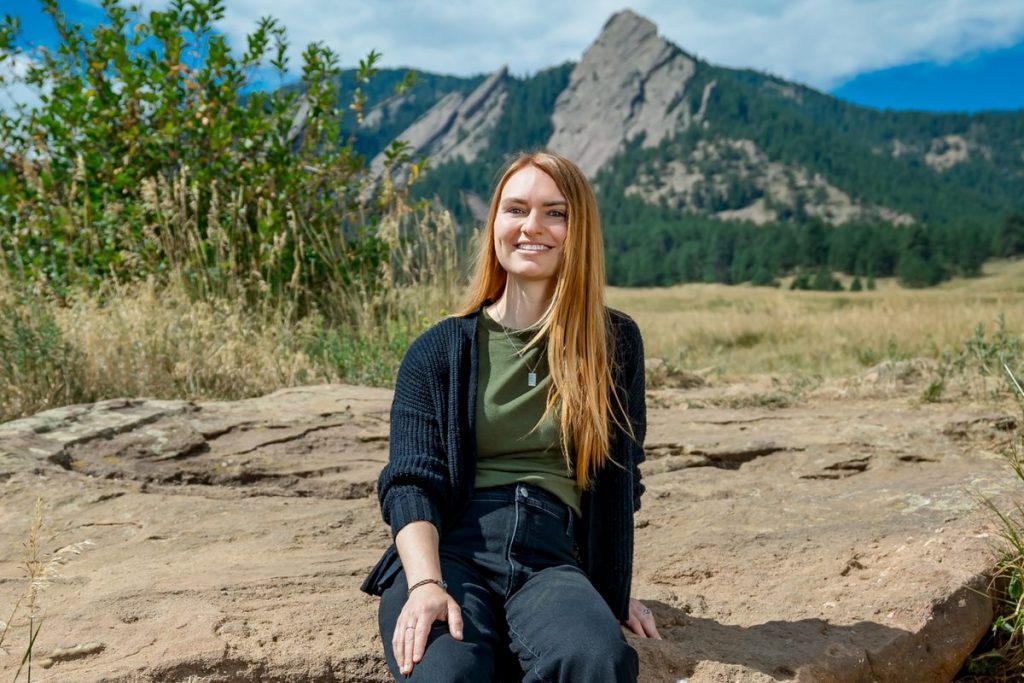
About Emily
You deserve a space where you can just be a human and take a deep breath. Whether you, your teen, or your child are feeling stuck in a tough cycle of anxious thoughts, navigating deep trauma, or moving through grief and loss, you don’t have to do it alone. I provide a relaxed, down-to-earth environment where we focus on leaning into your natural strengths and resilience. Together, we will tackle the hard stuff with plenty of warmth and zero judgment, putting down the heavy weights you’ve been carrying.
I don’t do blank stares or awkward silence. My style is warm, interactive, and infused with humor. We will use tools that work, like EMDR for trauma, ERP for OCD and anxiety, and skills from ACT, DBT, and IFS. Whether making big feelings smaller for kids through play, or helping teens and adults navigate chronic worry, we do it together as a team.
I bring my whole, authentic self to our sessions, and I invite you to do the same. Therapy with me is a safe zone to laugh, cry, and discover how resilient you truly are. If you are ready to stop just getting by and start living your life on your own terms, let’s talk. Send me a message today to schedule a free, no-pressure consultation.
Fun Facts about Emily
- I have two dogs, Call the corgi and Finn the goldendoodle, who love weekend adventures filled with hiking and swimming.
- I enjoy spending my time off in the mountains where I rock climb, fly fish, and snowmobile.
- I’ve been told I make a mean sweet potato casserole.

Rock climbing has taught me a lot about facing fear and learning to trust myself. I’ve learned that I don’t have to be fearless to try something challenging, and that getting comfortable with being uncomfortable is part of the process. Fly fishing has taught me patience, and both experiences have reminded me to embrace trial and error, adapt when things don’t go as planned, and get comfortable with the unknown.
I think there’s a lot of overlap between these experiences and personal growth. Spending time outdoors and with animals has also taught me to slow down, be present, and appreciate what’s right in front of me. Animals are a good reminder of this. They’re not worrying about the past or the future. They’re just living in the moment. I think learning to be a little more present and less caught up in what we can’t control can make a big difference in our lives.
Emily’s Areas
Anxiety, trauma, OCD, grief, family issues, life transitions, intrusive thoughts, relationship concerns, anxious attachment.
Children (9 and older)
Teens
Adults
Acceptance and Commitment Therapy (ACT)
Dialectical Behavior Therapy (DBT)
Exposure and Response Prevention (ERP)
Frequently Asked Questions in Therapy to Emily
The more we resist, the more they persist. I encourage clients to first explore their relationship with their thoughts. Are they labeling them as “good” or “bad,” trying to push them away or control them, or spending too much time trying to make sense of them? Sometimes, these responses can actually give unwanted thoughts more attention and power.
Something I often talk about with clients is learning to take our thoughts less seriously. We don’t have to believe everything we think, and we definitely don’t have to engage with every thought that pops into our heads. Instead, we can learn to notice our thoughts without getting consumed by them, make room for discomfort, and redirect our attention toward what actually matters to us. The goal isn’t to stop having difficult thoughts. It’s to stop letting them dictate how we live our lives.
I wish more people understood that OCD is so much more than being organized, clean, or particular about things. It can look very different from person to person, and a lot of what someone experiences may not be visible to others.
Sometimes compulsions look like excessive checking or washing, while other times they happen entirely in someone’s head through overthinking, mental reviewing, or constantly seeking reassurance. Someone can look completely fine on the outside while struggling quite a bit internally. OCD isn’t always obvious, and I think that’s something people often misunderstand.
Yes, definitely. Sometimes the effects of difficult experiences show up in ways we don’t immediately connect to the past. This might look like struggling with anger, becoming defensive, having difficulty trusting others, or always feeling like we need to be prepared for something to go wrong.
Sometimes these are patterns we’ve developed to protect ourselves, even when we’re no longer in the situation that caused them. Exploring where these reactions come from can help us better understand ourselves, have more compassion for our experiences, and begin responding differently.
.
Because fear is uncomfortable! And very convincing.
Our brains are really good at coming up with worst-case scenarios, and sometimes those scenarios feel so real that avoiding something seems like the safest option. Maybe we’re afraid of being rejected, having a panic attack, or something going wrong.
Avoidance can bring temporary relief, but over time, it often makes our fears stronger and our world smaller. I work with clients to gradually approach the things they’ve been avoiding and learn that just because something feels uncomfortable doesn’t mean it’s dangerous. We don’t have to wait until we’re confident or comfortable to start doing the things we want to do. Sometimes, confidence comes from trying in the first place.
We often feel like we need to figure out, fix, or get rid of an uncomfortable thought before we can move on with our day. But having a thought doesn’t mean it’s true, that it reflects who we are, or that we need to do something about it.
With clients, I often work on learning to tolerate uncertainty rather than constantly searching for answers or reassurance. One way we practice this is through the phrase “maybe, maybe not.” Instead of trying to prove a thought wrong or figure out exactly what it means, we practice allowing the uncertainty to be there. We don’t have to give every thought our attention or figure everything out before redirecting our attention to the things that matter to us.
Anxiety doesn’t always look like worry. Sometimes it shows up as anger, irritability, withdrawing from others, perfectionism, or needing everything to be just right. A child might get really upset when plans change, avoid things they’re normally interested in, or constantly seek reassurance.
Sometimes what looks like a behavior problem is actually a child struggling with something they don’t know how to communicate. I think it’s important to look beyond the behavior and get curious about what’s going on underneath. What might they be feeling? What are they afraid of? What might they need in that moment? Often, there’s more going on than we initially realize.
I know facing your fears is much easier said than done, especially when those fears feel really overwhelming. But I also think we sometimes underestimate what we’re capable of!
I work with clients to break things down into smaller, more manageable steps and gradually approach the things they’ve been avoiding. There’s no expectation to jump into the deep end or get everything right the first time. We take it one step at a time, build confidence along the way, and learn that we can do hard things even when we’re scared.
Healing isn’t about forgetting what happened or never feeling upset about it again. It’s about learning to acknowledge and accept what happened without allowing it to define the rest of our lives. I think part of healing is also exploring what matters to us, what we want our lives to look like, and how we can make room for those things even when difficult experiences are still part of our story. We can’t always change what happened to us, but we can work toward building a life that isn’t dictated by it.
I think it comes down to meeting people where they are and adjusting my approach based on their age, experiences, and comfort level.
With a younger child, I might use play, creativity, or hands-on activities to help them understand and communicate what they’re feeling. With a teenager, I might focus more on building trust, making sure they feel heard, and finding ways to make therapy feel comfortable and relevant to them. With an adult, we might have more in-depth conversations about patterns, past experiences, and how anxiety is affecting their everyday life.
Everyone communicates and processes things differently, so I don’t believe in taking the exact same approach with every client. I always want to find what works best for the person sitting across from me.